
Wallet & Assets
imtoken App
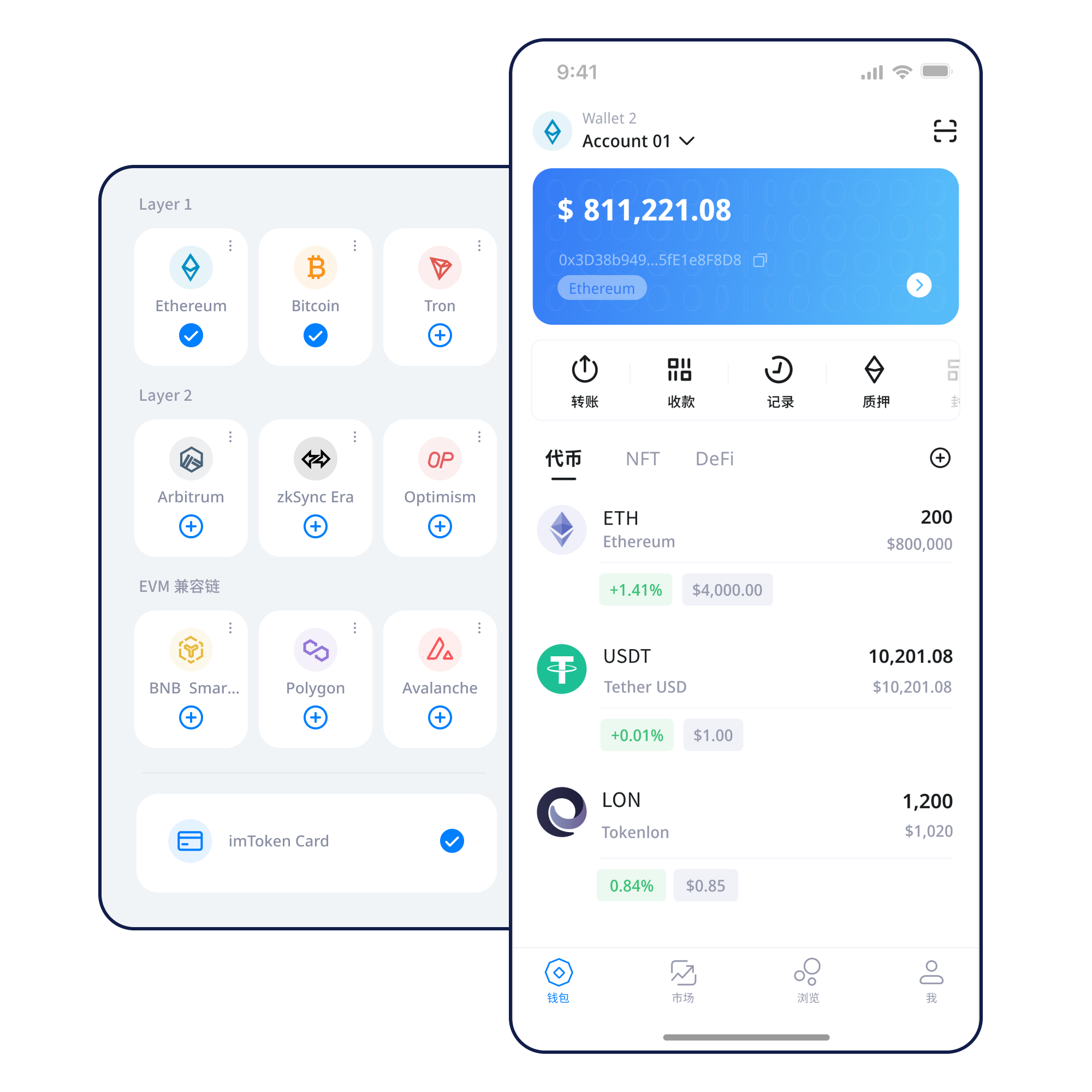
This guide focuses on imtoken App and is designed to cover mobile-wallet use on a trusted device, including assets, network switching, history and DApp boundaries. It follows a practical sequence from concepts and checks to risk review and post-action verification.
01
Mobile wallet use
Practical checks for Mobile wallet use
For imtoken App, Within the imtoken App workflow, Mobile wallet use should be understood in the practical context of this page: cover mobile-wallet use on a trusted device, including assets, network switching, history and DApp boundaries. It is not just terminology; it changes what a user should verify before taking the next action. The useful question is not simply “what does Mobile wallet use mean?” but which network, account or contract it refers to and what on-chain state it can change.
A reviewable process is: keep the operating system and app source trustworthy, verify the chain and fee asset before switching networks, and use the hash to confirm submitted transactions. At each stage, retain public evidence such as the network name, address, transaction hash, contract address or block state. Those facts are sufficient for most diagnosis without exposing recovery secrets.
Risk analysis should stay specific to this step. device loss, screenshot backups, malicious clipboard changes and unfamiliar deep links can increase key and transfer risk. If the interface and the expected result disagree, stop before taking another action and compare the account address, active network, in-app history and public on-chain record; familiarity, urgency or a previous connection is not a reason to skip a fresh check.
02
Network management
Practical checks for Network management
For imtoken App, Network management connects the conceptual explanation to a real wallet action. Network management should be understood in the practical context of this page: cover mobile-wallet use on a trusted device, including assets, network switching, history and DApp boundaries. It is not just terminology; it changes what a user should verify before taking the next action. The practical distinction is between information that can safely be verified in public and credentials that provide control and therefore must remain private.
For the workflow itself, keep the operating system and app source trustworthy, verify the chain and fee asset before switching networks, and use the hash to confirm submitted transactions. If the network, address, permission or state becomes inconsistent, return to that point rather than clicking repeatedly or submitting another request, because a display problem should not be turned into a second on-chain action.
A common mistake is trusting the front end without reconciling it with chain state. device loss, screenshot backups, malicious clipboard changes and unfamiliar deep links can increase key and transfer risk. A stronger approach is to compare the account address, active network, in-app history and public on-chain record and re-check the intended outcome before any signature, approval or transfer.
03
Assets and history
Practical checks for Assets and history
For imtoken App, Understanding Assets and history requires both its technical meaning and its operational consequence. Assets and history should be understood in the practical context of this page: cover mobile-wallet use on a trusted device, including assets, network switching, history and DApp boundaries. It is not just terminology; it changes what a user should verify before taking the next action. That is why the same button label, address shape or asset name can mean different things on another network, contract or permission context.
Break the task into four stages—verify origin, verify network, verify target, verify outcome—and apply this page’s workflow: keep the operating system and app source trustworthy, verify the chain and fee asset before switching networks, and use the hash to confirm submitted transactions. This order catches many visible errors before a request becomes an on-chain state change.
Do not assume that “nothing moved yet” means “there is no risk.” device loss, screenshot backups, malicious clipboard changes and unfamiliar deep links can increase key and transfer risk. Reject or exit requests you cannot explain, then compare the account address, active network, in-app history and public on-chain record; once confirmed, on-chain transactions generally cannot be reversed by the wallet alone.
04
Mobile Web3
Practical checks for Mobile Web3
For imtoken App, Mobile Web3 is also part of the post-action verification path for this topic. Mobile Web3 should be understood in the practical context of this page: cover mobile-wallet use on a trusted device, including assets, network switching, history and DApp boundaries. It is not just terminology; it changes what a user should verify before taking the next action. It lets a user map an interface message back to independently checkable network state rather than relying on one success, failure or loading indicator.
Continue checking after the initial action: keep the operating system and app source trustworthy, verify the chain and fee asset before switching networks, and use the hash to confirm submitted transactions. Cross-network transfers, contract calls, approvals and staking can include several stages, so the first status message may not describe the final outcome.
When the result differs from expectation, preserve public evidence and stop new signatures or transfers. device loss, screenshot backups, malicious clipboard changes and unfamiliar deep links can increase key and transfer risk. Then compare the account address, active network, in-app history and public on-chain record before deciding whether to wait, retry or change the next step.